In the fast-paced digital age, where “connection” is often measured in likes and blue bubbles, true physical and emotional intimacy can sometimes feel like a luxury. We live in a state of perpetual “doing”—working, parenting, scrolling—leaving very little room for “being” with our partners.
If you feel a drift in your relationship, or if your physical connection has become more mechanical than meaningful, the solution might not be a grand vacation or an expensive gift. Often, the most profound healing happens through the simplest medium: restorative touch.
This guide explores how incorporating restorative touch massage into your relationship can bridge the gap between physical contact and emotional depth, helping you and your partner rediscover a sense of profound closeness.
Table of Contents
What Exactly is Restorative Touch Massage?
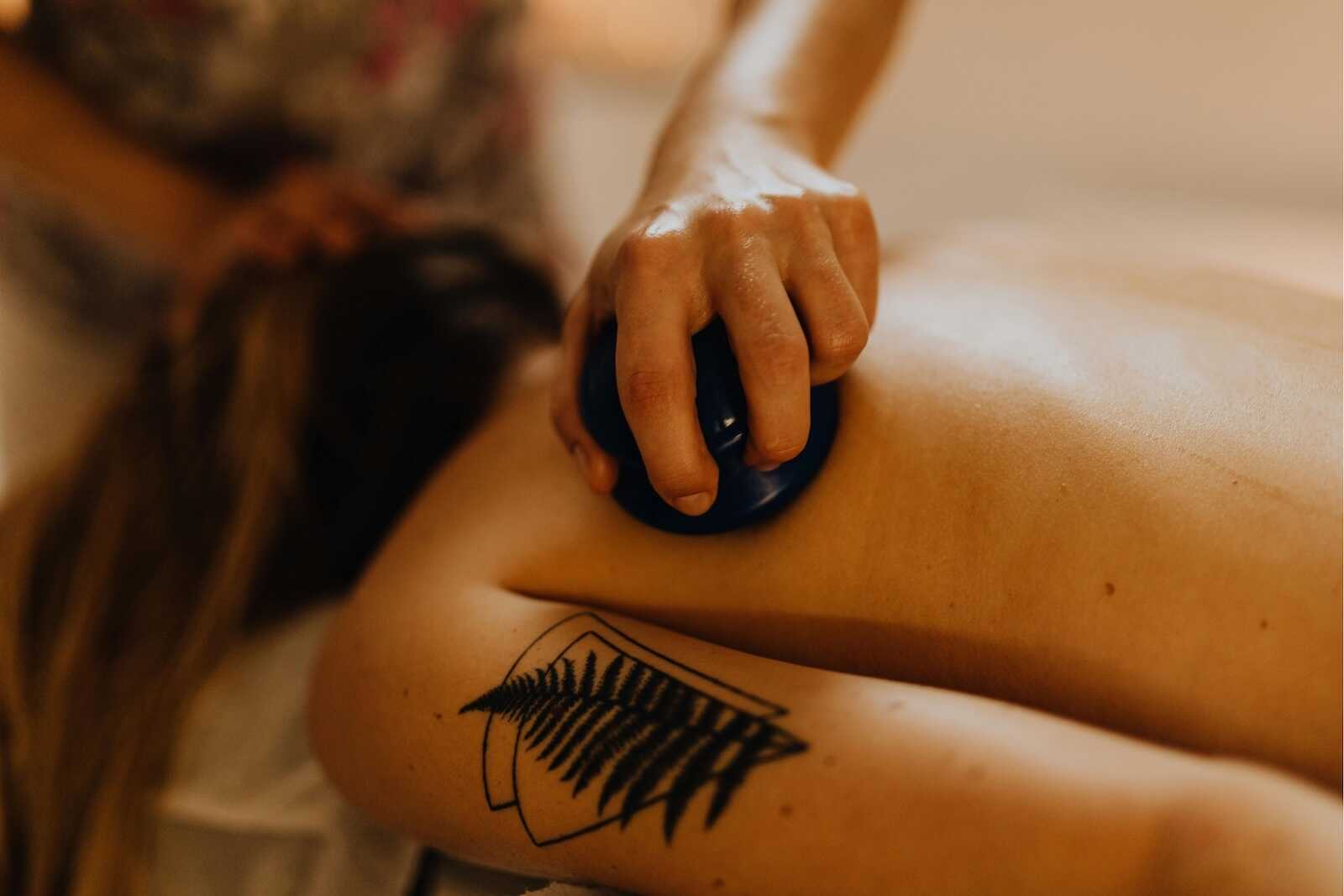
Unlike a deep-tissue massage designed to work out physical knots from a gym session, restorative touch is focused on the nervous system and the heart. It is a slow, intentional form of bodywork that prioritizes safety, presence, and relaxation over therapeutic intensity.
In a romantic context, restorative massage isn’t necessarily a precursor to sex—though it often leads to a deeper sexual connection. Instead, it is about:
- Regulating the Nervous System: Moving from “fight or flight” (stress) to “rest and digest” (connection).
- Intentional Presence: Being fully “there” with your partner’s body without a goal-oriented mindset.
- Non-Verbal Communication: Saying “I see you, I value you, and you are safe with me” through the hands.
The Science of Connection: Why Restorative Touch Massage Works
The benefits of restorative touch aren’t just “woo-woo” relationship advice; they are rooted in human biology.
1. The Oxytocin Effect
Often called the “cuddle hormone,” oxytocin is released during sustained, gentle touch. This hormone lowers cortisol levels (the stress hormone) and fosters feelings of trust and bonding. When you engage in restorative massage, you are essentially bathing your partner’s brain in a chemical cocktail that says, “This person is my home.”
2. Vagus Nerve Activation
The vagus nerve is the “on-off switch” for your body’s relaxation response. Light, rhythmic strokes during a massage stimulate this nerve, slowing the heart rate and allowing both the giver and receiver to drop their emotional guards.
3. Skin Hunger and Emotional Satiety
Humans have a biological need for touch, known as “skin hunger.” In many long-term relationships, touch becomes limited to “functional” contact (a quick kiss goodbye) or “sexual” contact. This leaves a massive gap in the middle. Restorative touch fills this gap, satisfying the emotional need for affection without the pressure of performance.
4. Rebuild Emotional Connection
Restorative touch melts away defensive stress responses, creating a safe physical “sanctuary” that allows partners to lower their emotional guards and reconnect through the silent language of security and trust.
Benefits of Restorative Massage for Couples
| Benefit | How it Impacts the Relationship |
| Increased Vulnerability | Being touched in a safe way allows partners to peel back emotional layers. |
| Stress Reduction | It provides a “sanctuary” space away from work and life pressures. |
| Conflict Resolution | It’s hard to stay angry when your nervous systems are co-regulating. |
| Enhanced Body Image | Receiving loving touch helps partners feel more confident and “at home” in their bodies. |
| Deepened Sexual Intimacy | Building a foundation of safe touch makes sexual encounters more soulful and less rushed. |
Creating the “Restorative Space” at Home
You don’t need to be a licensed massage therapist to provide restorative touch massage. You just need to create the right environment. Intimacy thrives in a space where the outside world is locked out.
The Atmosphere
- Lighting: Dim the lights or use candles. Bright overhead lighting triggers alertness; soft light triggers relaxation.
- Temperature: Ensure the room is warm. A cold body cannot relax into a restorative state.
- Scent: Use calming essential oils like lavender, sandalwood, or ylang-ylang.
- Sound: Play soft, ambient music without lyrics to avoid distracting the brain.
The Mindset
The “giver” must enter the session with a clear mind. If you are rushing through the massage to get it over with, your partner will feel it. Restorative touch is a meditation for two.
A Step-by-Step Guide to Restorative Massage Techniques
If you’re ready to try this with your partner, follow these steps to ensure the experience is restorative rather than just “rubbing shoulders.”
1. The Opening Connection (3–5 Minutes)
Start by having your partner lie face down. Simply place your hands on their mid-back and take three deep breaths together. This synchronizes your heart rates and signals the start of your “us time.”
2. The Slow Glide (Effleurage)
Use long, sweeping strokes from the base of the spine up to the shoulders and back down the arms. Use light to medium pressure. The goal here is continuity. Keep at least one hand on their body at all times to maintain the energetic connection.
3. The “Cradle” Hold
Focus on the neck and head. Gently cradle your partner’s head in your hands. This is a high-trust area. Use your thumbs to make tiny circles at the base of the skull. This area holds immense tension from screen use and stress.
4. Focusing on the Extremities
We often forget the hands and feet, yet they contain thousands of nerve endings. Slow, mindful massage of the palms and soles sends a signal of total care to the brain.
Overcoming Barriers to Intimacy
For many couples, the idea of a 30-minute massage feels “boring” or “awkward.” This is usually a sign that you’ve become disconnected from the art of stillness.
- “I’m too tired”: This is exactly why you need it. Restorative touch doesn’t take energy; it gives it back.
- “I don’t know what I’m doing”: Your partner doesn’t want a clinical professional; they want your hands. Focus on warmth and slowness rather than “fixing” muscles.
- “It feels awkward”: Acknowledge it! Laugh about it. Intimacy is a practice, not a performance.
Beyond the Table: Making Touch a Daily Habit
Restorative touch doesn’t always have to be a full-body massage. You can integrate the principles into your daily life to keep the “intimacy pilot light” burning:
- The 20-Second Hug: Research shows it takes 20 seconds of hugging to trigger oxytocin release.
- The Palm-to-Palm Connection: Simply holding hands while watching a movie, but focusing on the sensation of their skin.
- The Scalp Rub: A 5-minute head rub before sleep can drastically improve your partner’s sleep quality and your emotional bond.
Conclusion: The Path to a Deeper Union
Restorative touch massage is more than just a physical act; it is a ritual of reclamation. It reclaims your time, your bodies, and your emotional bond from the chaos of the world. By slowing down and honoring your partner’s physical presence, you create a foundation of safety that allows love to flourish.
When you prioritize restorative touch, you aren’t just fixing a relationship—you are nourishing a soul.